Synopsis
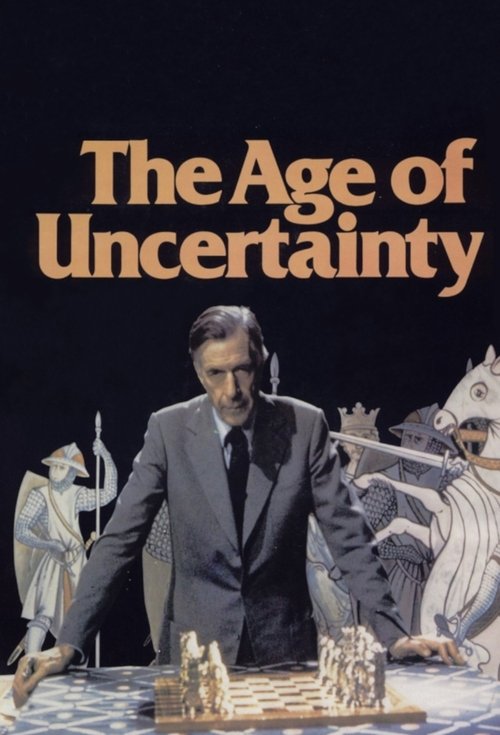
A 13-part personal view by John Kenneth Galbraith of the rise and crisis of Industrial Society. The ideas of economists and social philosophers shape actions and events even when we are unaware of their sources. They have had a decisive influence on the great rush of change and revolution through which the world has passed in the last two hundred years. Professor Galbraith traces these ideas and their consequences.
Episodes
Season 11 The Prophets and Promise of Classical CapitalismJohn Kenneth Galbraith tells the story of the men who laid the foundations of economics, including Adam Smith, David Ricardo and Thomas Malthus. What they made of the world of their time profoundly affects our world.54m2
 The Manners and Morals of High CapitalismProfessor Galbraith looks at the ideas that sustained the rich in the 19th century and how they still affect our attitudes today. Herbert Spencer justified the moneymaking in straight Darwinian terms as 'survival of the fittest'. Thorstein Veblen thought a parallel with Papuans a more appropriate one.54m3
 The Dissent of Karl MarxJK Galbraith investigates the impact of Karl Marx on our economic interpretation of society. The life and work of Marx set the pattern for a socialist future, but the revolution he so much wanted did not materialise in his lifetime.54m4
 The Colonial IdeaProfessor Galbraith traces the colonial adventure, from the Crusades to the present, from the fall of Acre to the fall of Saigon. He looks at the potent myths that sustained colonialism and the real motives behind them.53m5
 Lenin and the Great UngluingJK Galbraith examines WWI as an instrument in changing the old social order, and especially Lenin, who spent most of the war exiled in Switzerland urging soldiers to start a world revolution. A revolution did come, but Lenin nearly missed his chance to be part of it.54m6
 The Rise and Fall of MoneyFrom the elegant banks of 17th-century Amsterdam to the dark days of the Great Depression, Prof Galbraith traces the history of money - its uses and abuses, the grand successes and the spectacular disasters.54m7
 The Mandarin RevolutionJK Galbraith looks at the influence of John Maynard Keynes, who drew the blueprint for the postwar economic boom, and recalls his own involvement in those momentous years.54m8
 The Fatal CompetitionJK Galbraith visits the ruins of postwar Berlin, the corridors of power in the Pentagon and 'the world's largest used plane lot' in his assessment of the contemporary roots of war.54m9
 The Big CorporationJK Galbraith explores the modern large corporation - 'the most relentless force for change in modern economic life'.54m10
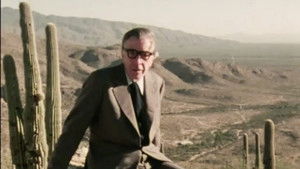 Land and the PeopleIn Mexico and the Punjab, on the cotton fields of the old South and the farm where he was born, Prof Galbraith confronts the tragedy of the landless poor and searches for a solution in the world-wide migration to the cities.54m11
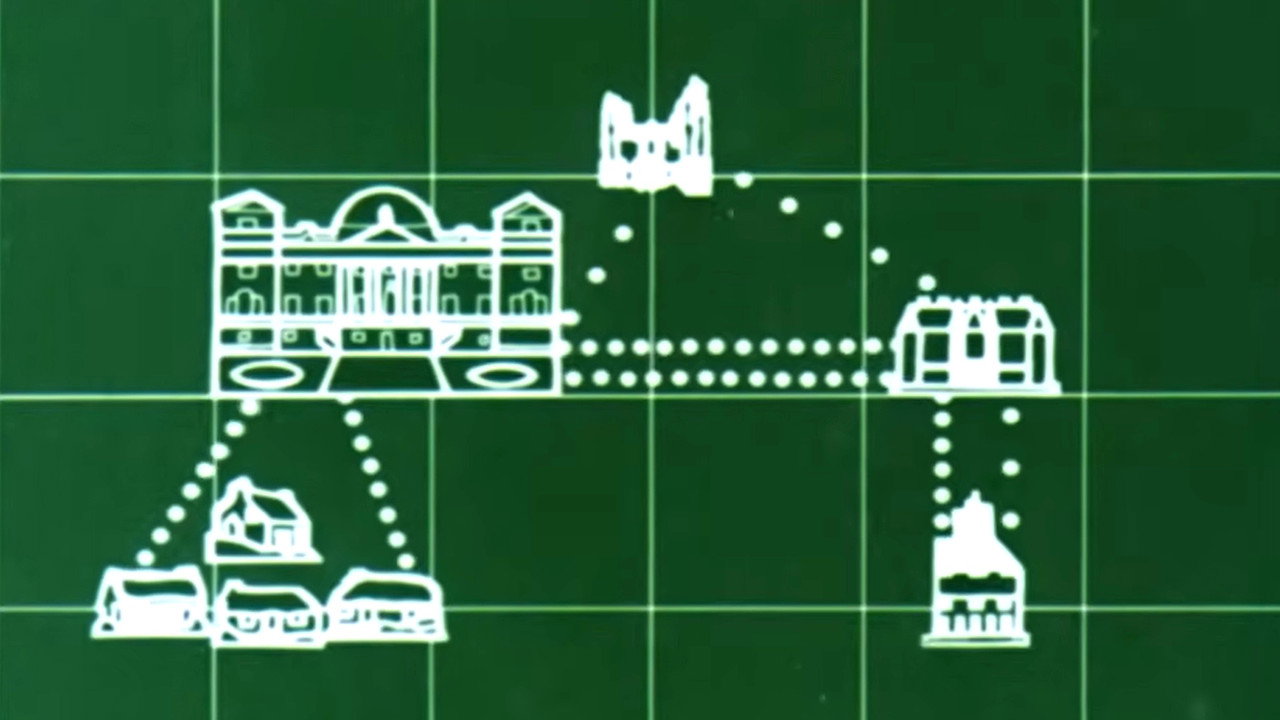
 The Metropolis'The city is the focus of the problems of modern society - its uncertainty, crisis, hope, despair.' Prof Galbraith looks at the economic and social forces that turned the magnificent conception of the princely city step by step into the modern metropolis, with all its tensions. He analyses the interaction of these tensions and the ways in which the initial sense of order and pride can be recaptured.54m12
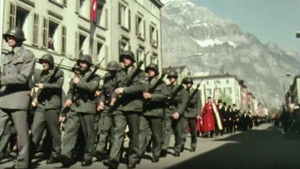 Democracy, Leadership, CommitmentProf JK Galbraith sets out on a physical and figurative journey to recapture his experience of democracy, comparing politics in Switzerland, Britain and the US and emphasising Nehru's influence in India.54m13
 Weekend in Vermont - Part 1Over a relaxed weekend, a distinguished international gathering at John Kenneth Galbraith's Vermont farm offer their views on the themes outlined in the series and on other major anxieties facing the modern world.14E14Weekend in Vermont - Part 215E15Weekend in Vermont - Part 3
The Prophets and Promise of Classical CapitalismJohn Kenneth Galbraith tells the story of the men who laid the foundations of economics, including Adam Smith, David Ricardo and Thomas Malthus. What they made of the world of their time profoundly affects our world.54m2The Manners and Morals of High CapitalismProfessor Galbraith looks at the ideas that sustained the rich in the 19th century and how they still affect our attitudes today. Herbert Spencer justified the moneymaking in straight Darwinian terms as 'survival of the fittest'. Thorstein Veblen thought a parallel with Papuans a more appropriate one.54m3The Dissent of Karl MarxJK Galbraith investigates the impact of Karl Marx on our economic interpretation of society. The life and work of Marx set the pattern for a socialist future, but the revolution he so much wanted did not materialise in his lifetime.54m4The Colonial IdeaProfessor Galbraith traces the colonial adventure, from the Crusades to the present, from the fall of Acre to the fall of Saigon. He looks at the potent myths that sustained colonialism and the real motives behind them.53m5Lenin and the Great UngluingJK Galbraith examines WWI as an instrument in changing the old social order, and especially Lenin, who spent most of the war exiled in Switzerland urging soldiers to start a world revolution. A revolution did come, but Lenin nearly missed his chance to be part of it.54m6The Rise and Fall of MoneyFrom the elegant banks of 17th-century Amsterdam to the dark days of the Great Depression, Prof Galbraith traces the history of money - its uses and abuses, the grand successes and the spectacular disasters.54m7The Mandarin RevolutionJK Galbraith looks at the influence of John Maynard Keynes, who drew the blueprint for the postwar economic boom, and recalls his own involvement in those momentous years.54m8The Fatal CompetitionJK Galbraith visits the ruins of postwar Berlin, the corridors of power in the Pentagon and 'the world's largest used plane lot' in his assessment of the contemporary roots of war.54m9The Big CorporationJK Galbraith explores the modern large corporation - 'the most relentless force for change in modern economic life'.54m10Land and the PeopleIn Mexico and the Punjab, on the cotton fields of the old South and the farm where he was born, Prof Galbraith confronts the tragedy of the landless poor and searches for a solution in the world-wide migration to the cities.54m11The Metropolis'The city is the focus of the problems of modern society - its uncertainty, crisis, hope, despair.' Prof Galbraith looks at the economic and social forces that turned the magnificent conception of the princely city step by step into the modern metropolis, with all its tensions. He analyses the interaction of these tensions and the ways in which the initial sense of order and pride can be recaptured.54m12Democracy, Leadership, CommitmentProf JK Galbraith sets out on a physical and figurative journey to recapture his experience of democracy, comparing politics in Switzerland, Britain and the US and emphasising Nehru's influence in India.54m13Weekend in Vermont - Part 1Over a relaxed weekend, a distinguished international gathering at John Kenneth Galbraith's Vermont farm offer their views on the themes outlined in the series and on other major anxieties facing the modern world.14E14Weekend in Vermont - Part 215E15Weekend in Vermont - Part 3Reviews & discussion
Sign in to see reviews and recommendations for this title, write your own, and send it to somebody.
Sign in