Synopsis
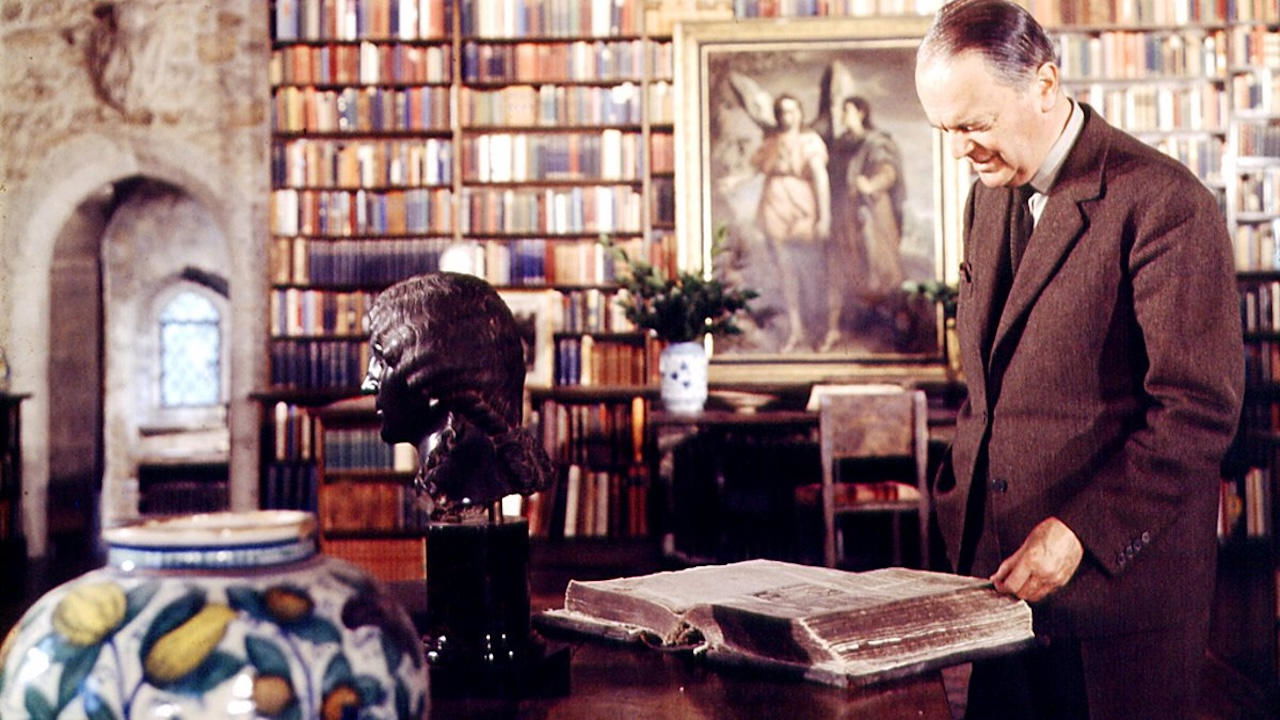
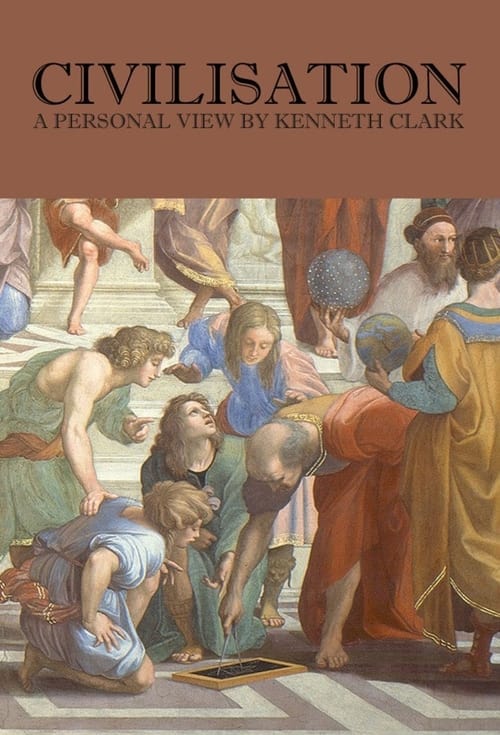
Sir Kenneth Clark guides us through the ages exploring the glorious rise of civilisation in western man. Beginning with the bleakness of the dark ages to the present day, we consider civilisation's articulations and expressions in some of man's finest works of art.
Episodes
Season 11 The Skin of Our TeethIn this the first episode Clark travels from Byzantine Ravenna to the Celtic Hebrides, from the Norway of the Vikings to Charlemagne's chapel at Aachen, telling his story of the Dark Ages; the six centuries following the collapse of the Roman Empire.50m2
 The Great ThawIn the second episode Clark tells of the sudden reawakening of European civilisation in the twelfth century . He traces it from its first manifestations in the Abbey of Cluny to its high point, the building of the Chartres cathedral.50m3
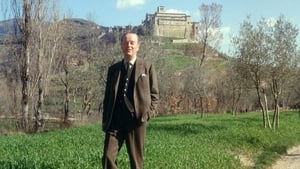 Romance and RealityBeginning at a castle in the Loire, then travelling through the hills of Tuscany and Umbria to the cathedral baptistry at Pisa as he examines both the aspirations and achievements of the later Middle Ages in France and Italy.50m4
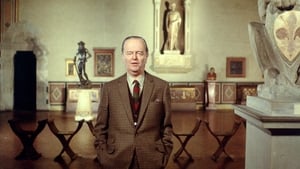 Man: The Measure of all ThingsVisiting Florence, where, Clark argues, European thought gained a new impetus from its rediscovery of its classical past. He also visits the palaces at Urbino and Mantua, other centres of (Renaissance) civilisation.50m5
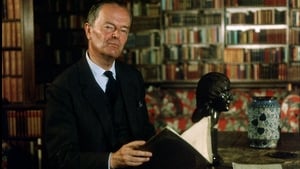 The Hero as ArtistHere Clark takes us back to 16th century Papal Rome noting the convergence of Christianity and antiquity. He discusses Michelangelo, Raphael, and da Vinci, the courtyards of the Vatican, the rooms decorated for the Pope by Raphael, and the Sistine Chapel.50m6
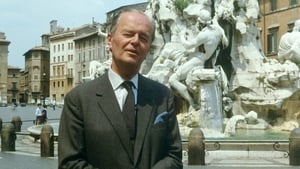 Protest and CommunicationHere Clark takes us back to the Reformation. That is to the Germany of Albrecht Duerer and Martin Luther, the world of the humanitarians Erasmus, Montaigne, and Shakespeare.50m7
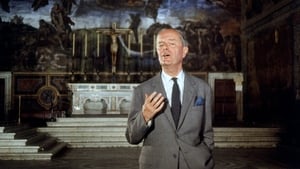 Grandeur and ObedienceAgain in Rome of Michelangelo and Bernini, Clark tells of the Catholic Church's fight against the Protestant north, the Counter-Reformation and the Church's new splendour symbolized by the glory of St. Peter's.50m8
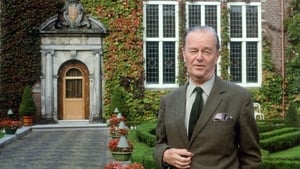 The Light of ExperienceHere Clark tells of new worlds in space and in a drop of water that the telescope and microscope revealed, and the new realism in the Dutch paintings which took the observation of human character to a higher stage of development.50m9
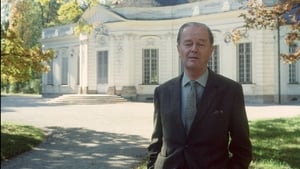 The Pursuit of HappinessHere Clark talks of the harmonious flow and complex symmetries of the works of Bach, Handel, Haydn and Mozart — and the reflection of these in the Rococo churches and palaces of Bavaria.50m10
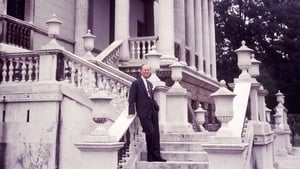 The Smile of ReasonHere Clark discusses the Age of Enlightenment tracing it from the polite conversations in the elegant Parisian salons of eighteenth-century, through the subsequent revolutionary politics to the great European palaces of Blenheim and Versailles finally to Jefferson's Monticello.50m11
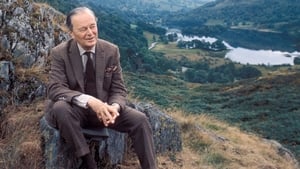 The Worship of NatureBelief in the divinity of nature, Clark argues, usurped Christianity's position as the chief creative force in Western civilisation and ushered in the Romantic movement. Here Clark visits Tintern Abbey, the Alps, and there discusses the landscapes of Turner and Constable.50m12
 The Fallacies of HopeHere Clark argues that the French Revolution led to the dictatorship of Napoleon and the dreary bureaucracies of the nineteenth century and traces the disillusionment of the Romanticism artists is traced from Beethoven's, Byron's poetry, Delacroix's paintings to Rodin's sculpture.50m13
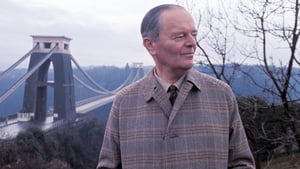 Heroic MaterialismClark concludes the series with his discussion of materialism and humanitarianism of the past century. This takes us from the industrial landscape of nineteenth century England to the skyscrapers of twentieth century New York. The achievements of the engineers and scientists - such as Brunel and Rutherford - having been matched by the great reformers like Wilberforce and Shaftsbury.50m
The Skin of Our TeethIn this the first episode Clark travels from Byzantine Ravenna to the Celtic Hebrides, from the Norway of the Vikings to Charlemagne's chapel at Aachen, telling his story of the Dark Ages; the six centuries following the collapse of the Roman Empire.50m2The Great ThawIn the second episode Clark tells of the sudden reawakening of European civilisation in the twelfth century . He traces it from its first manifestations in the Abbey of Cluny to its high point, the building of the Chartres cathedral.50m3Romance and RealityBeginning at a castle in the Loire, then travelling through the hills of Tuscany and Umbria to the cathedral baptistry at Pisa as he examines both the aspirations and achievements of the later Middle Ages in France and Italy.50m4Man: The Measure of all ThingsVisiting Florence, where, Clark argues, European thought gained a new impetus from its rediscovery of its classical past. He also visits the palaces at Urbino and Mantua, other centres of (Renaissance) civilisation.50m5The Hero as ArtistHere Clark takes us back to 16th century Papal Rome noting the convergence of Christianity and antiquity. He discusses Michelangelo, Raphael, and da Vinci, the courtyards of the Vatican, the rooms decorated for the Pope by Raphael, and the Sistine Chapel.50m6Protest and CommunicationHere Clark takes us back to the Reformation. That is to the Germany of Albrecht Duerer and Martin Luther, the world of the humanitarians Erasmus, Montaigne, and Shakespeare.50m7Grandeur and ObedienceAgain in Rome of Michelangelo and Bernini, Clark tells of the Catholic Church's fight against the Protestant north, the Counter-Reformation and the Church's new splendour symbolized by the glory of St. Peter's.50m8The Light of ExperienceHere Clark tells of new worlds in space and in a drop of water that the telescope and microscope revealed, and the new realism in the Dutch paintings which took the observation of human character to a higher stage of development.50m9The Pursuit of HappinessHere Clark talks of the harmonious flow and complex symmetries of the works of Bach, Handel, Haydn and Mozart — and the reflection of these in the Rococo churches and palaces of Bavaria.50m10The Smile of ReasonHere Clark discusses the Age of Enlightenment tracing it from the polite conversations in the elegant Parisian salons of eighteenth-century, through the subsequent revolutionary politics to the great European palaces of Blenheim and Versailles finally to Jefferson's Monticello.50m11The Worship of NatureBelief in the divinity of nature, Clark argues, usurped Christianity's position as the chief creative force in Western civilisation and ushered in the Romantic movement. Here Clark visits Tintern Abbey, the Alps, and there discusses the landscapes of Turner and Constable.50m12The Fallacies of HopeHere Clark argues that the French Revolution led to the dictatorship of Napoleon and the dreary bureaucracies of the nineteenth century and traces the disillusionment of the Romanticism artists is traced from Beethoven's, Byron's poetry, Delacroix's paintings to Rodin's sculpture.50m13Heroic MaterialismClark concludes the series with his discussion of materialism and humanitarianism of the past century. This takes us from the industrial landscape of nineteenth century England to the skyscrapers of twentieth century New York. The achievements of the engineers and scientists - such as Brunel and Rutherford - having been matched by the great reformers like Wilberforce and Shaftsbury.50mCast
Reviews & discussion
Sign in to see reviews and recommendations for this title, write your own, and send it to somebody.
Sign in