Synopsis
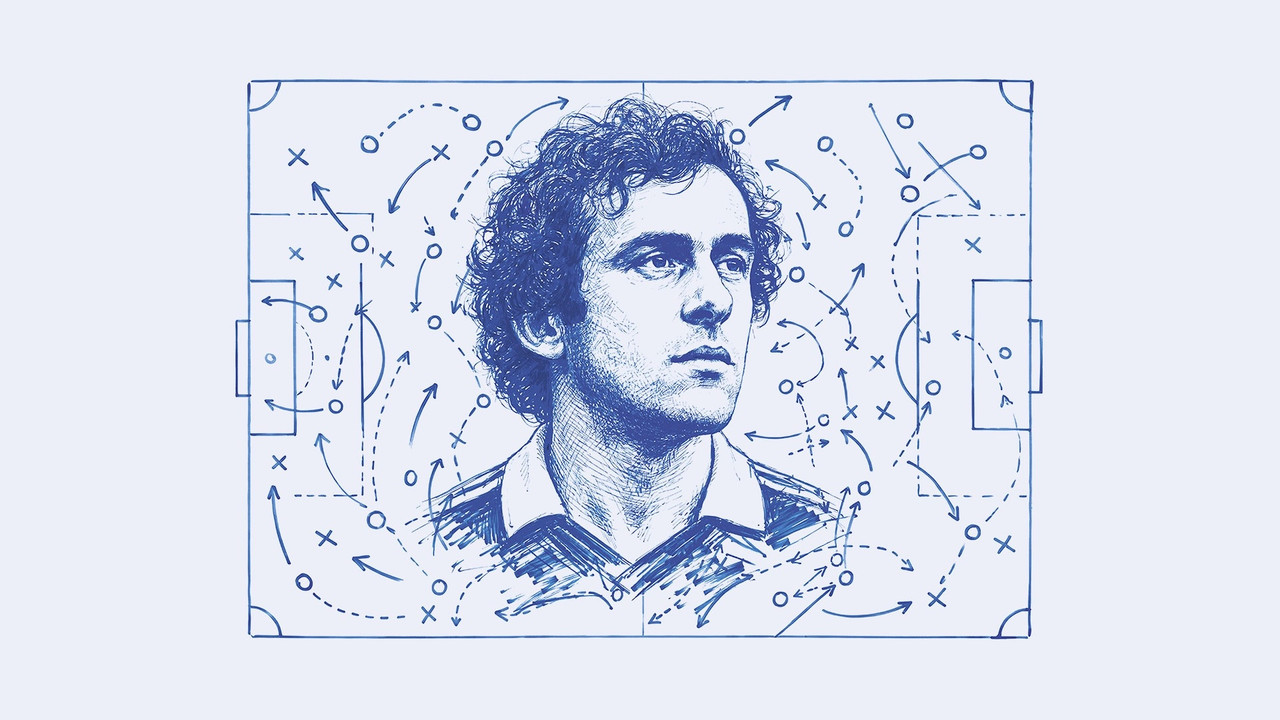
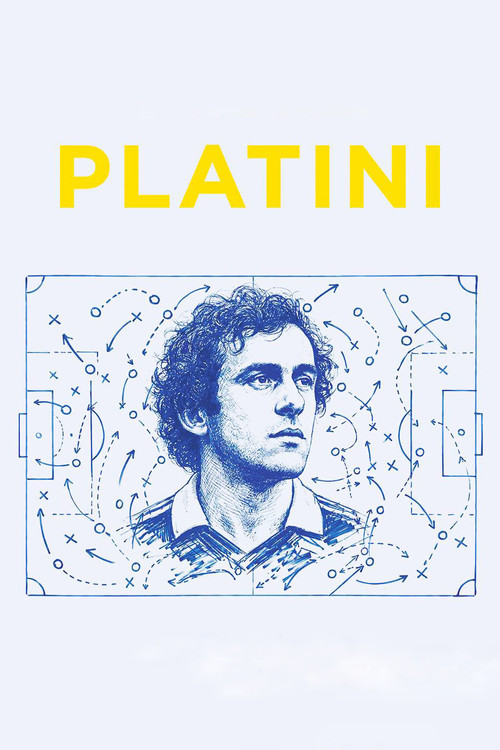
A look back at the career of Michel Platini, an iconic figure and legend of French and world soccer, featuring testimonials from former teammates and opponents.
Episodes
Season 11 Aldo’s sonAt age 27, Michel Platini set off into the unknown to join Juventus in Turin. Settling in proved much more difficult than expected. But the French No. 10 had no intention of giving up either his vision of soccer or his temperament, both of which were shaped in Lorraine within a family of Italian immigrants.
)29m2
Aldo’s sonAt age 27, Michel Platini set off into the unknown to join Juventus in Turin. Settling in proved much more difficult than expected. But the French No. 10 had no intention of giving up either his vision of soccer or his temperament, both of which were shaped in Lorraine within a family of Italian immigrants.
)29m2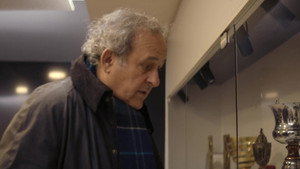 Becoming PlatiniIn 1975, France was a minor player on the world soccer stage when a young playmaker began to make a name for himself at Nancy. He quickly became the leader who was expected to lead Les Bleus back to the World Cup. But was the new star of French soccer ready to handle the pressure that came with his new status?31m3
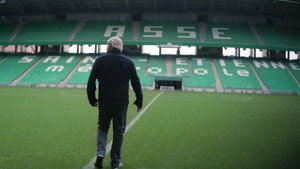 Always WinTensions rose when the new leader of Les Bleus was unable to prevent a disastrous start to the 1982 World Cup. In a now-legendary semifinal against Germany, and during the European Championship—held in France for the first time—Platini tried to instill in his teammates his obsession with winning.31m4
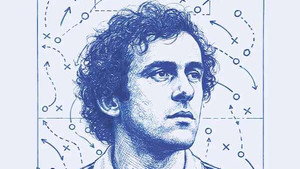 The Haunted KingPlatini was criticized in France for leaving to play in Turin, but was adored in Italy, where he is now nicknamed “The King.” There, he shone against Maradona, Zico, and Rummenigge, displaying a level of tactical intelligence unmatched anywhere in the world. But Juventus was obsessed with the European Champions Cup, which always eluded them. A once-in-a-lifetime opportunity arose in 1985, in the final in Brussels at Heysel Stadium.28m5New worldsPlatini became a global superstar by winning the Intercontinental Cup in Japan, leading the French national team at the World Cup in Mexico, launching his own television show, and becoming one of the faces of Restos du cœur. But even his third Ballon d’Or couldn’t erase the weariness that was increasingly taking hold of him.28m6PoliticsWith his soccer career over at just 32, Platini was named head coach of the French national team. Soon after, he entered the world of politics. In 2007, his election as president of UEFA, the governing body of European soccer, marked a first for a former soccer player. But the next step—toward FIFA—proved to be more complicated than he had imagined.32m
Aldo’s sonAt age 27, Michel Platini set off into the unknown to join Juventus in Turin. Settling in proved much more difficult than expected. But the French No. 10 had no intention of giving up either his vision of soccer or his temperament, both of which were shaped in Lorraine within a family of Italian immigrants.
)29m2Becoming PlatiniIn 1975, France was a minor player on the world soccer stage when a young playmaker began to make a name for himself at Nancy. He quickly became the leader who was expected to lead Les Bleus back to the World Cup. But was the new star of French soccer ready to handle the pressure that came with his new status?31m3Always WinTensions rose when the new leader of Les Bleus was unable to prevent a disastrous start to the 1982 World Cup. In a now-legendary semifinal against Germany, and during the European Championship—held in France for the first time—Platini tried to instill in his teammates his obsession with winning.31m4The Haunted KingPlatini was criticized in France for leaving to play in Turin, but was adored in Italy, where he is now nicknamed “The King.” There, he shone against Maradona, Zico, and Rummenigge, displaying a level of tactical intelligence unmatched anywhere in the world. But Juventus was obsessed with the European Champions Cup, which always eluded them. A once-in-a-lifetime opportunity arose in 1985, in the final in Brussels at Heysel Stadium.28m5New worldsPlatini became a global superstar by winning the Intercontinental Cup in Japan, leading the French national team at the World Cup in Mexico, launching his own television show, and becoming one of the faces of Restos du cœur. But even his third Ballon d’Or couldn’t erase the weariness that was increasingly taking hold of him.28m6PoliticsWith his soccer career over at just 32, Platini was named head coach of the French national team. Soon after, he entered the world of politics. In 2007, his election as president of UEFA, the governing body of European soccer, marked a first for a former soccer player. But the next step—toward FIFA—proved to be more complicated than he had imagined.32mCast
Reviews & discussion
Sign in to see reviews and recommendations for this title, write your own, and send it to somebody.
Sign in