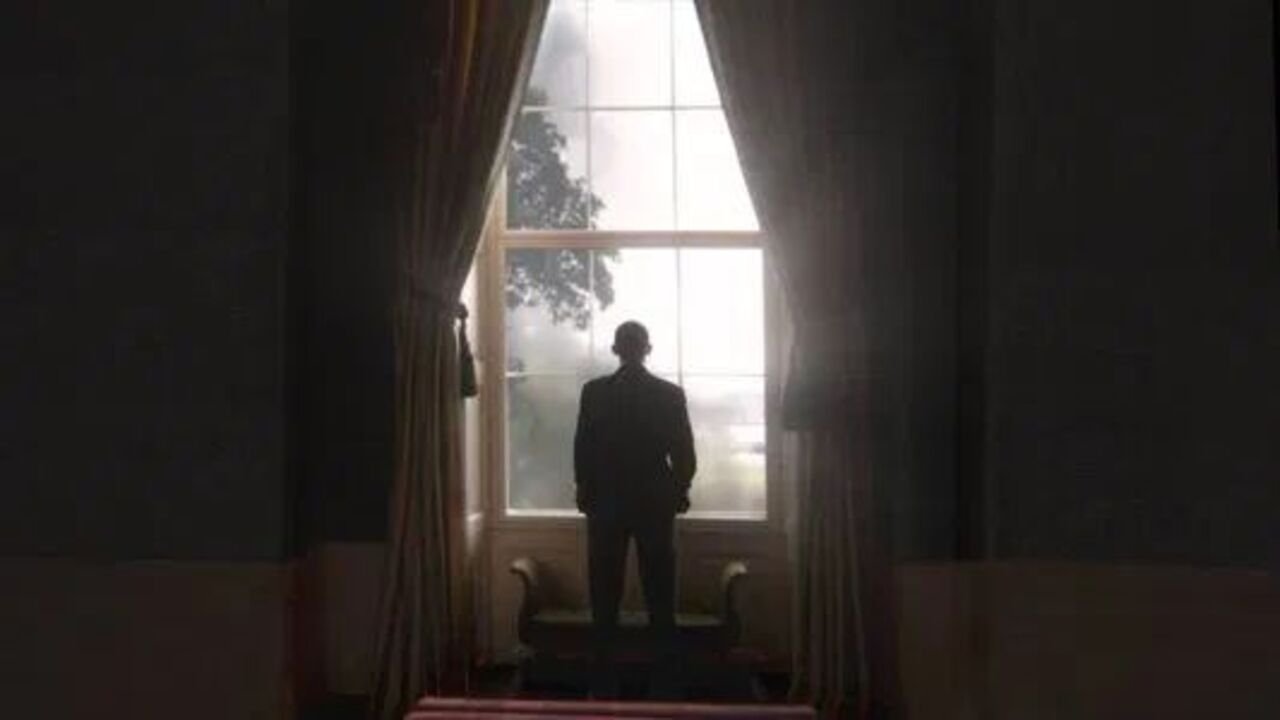
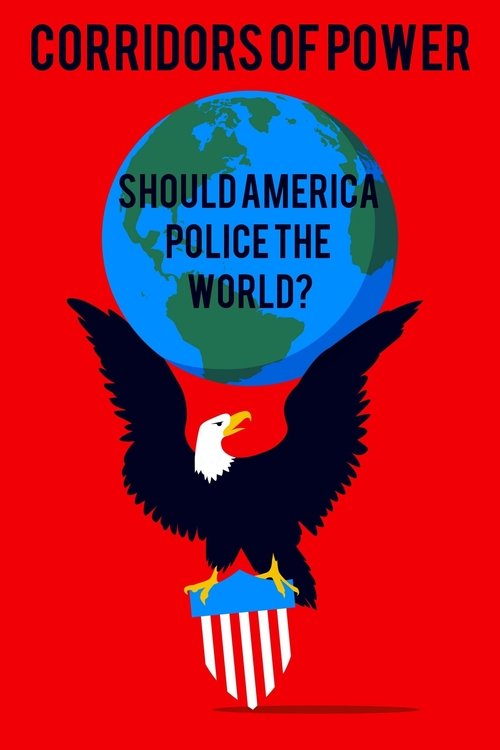
Corridors of Power: Should America Police the World?
2024·1 seasons · 8 episodes·Series
Documentary
Synopsis
No easy answers? Decision-makers from Kissinger to Rice revisit how the US responded to conflicts from Rwanda to Iraq. Faced with human suffering - who has responsibility to act?
Episodes
Season 11 Iraq: For Every Insect There is an InsecticideExploring the US's complicated relationship with Iraq, first supporting the country during the Iran-Iraq war but then turning against it after Saddam Hussein’s invasion of Kuwait.57m2
 Bosnia: Our Soldiers Are Not Toy SoldiersAs the Balkans deteriorate into a series of bloody wars, President Bill Clinton and Madeleine Albright must decide whether to use force to save innocent civilians from genocide.57m3
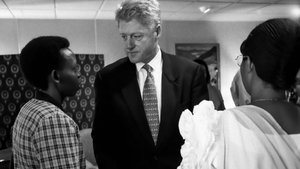 Rwanda – That Was a Local ThingWhy did the world stand by in 1994 as nearly one million people were murdered over one hundred days of terror in Rwanda? American diplomats describe events on the ground.57m4
 Kosovo – In the Name of Our FutureMuslim separatists in the Kosovo region rekindle old conflicts, leading Clinton’s White House to consider Serbian President Milošević’s regime a threat to their own civilians.57m5
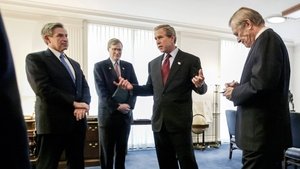 Darfur – Carrots for a War CriminalIn 2003, hundreds of thousands of Americans protested about ethnic cleansing in Sudan. Following Obama’s 2008 election success, could some of those people, now in office, make a difference?57m6
 Libya – If You Break It You Own ItWhen Gaddafi declared his intention to 'disinfect' Benghazi, Obama faced a dilemma, have previously told the younger Arab generation 'you, more than anyone, have the ability to remake this world.57m7
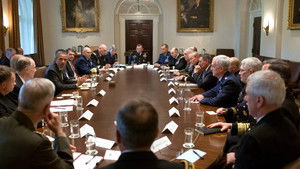 Syria – The Risk of Doing NothingObama did not want to be dragged into another war in the Middle East, but when the Syrian regime began to consider the use of chemical weapons, he warned them they would be crossing a red line.57m8
 Syria – A Loop of ImperfectionAmerica’s unwillingness to act after a chemical attack, causes Syrian rebels to despair. Obama concludes that there is no scenario where intervention in Syria would give a desired outcome.57m
Iraq: For Every Insect There is an InsecticideExploring the US's complicated relationship with Iraq, first supporting the country during the Iran-Iraq war but then turning against it after Saddam Hussein’s invasion of Kuwait.57m2Bosnia: Our Soldiers Are Not Toy SoldiersAs the Balkans deteriorate into a series of bloody wars, President Bill Clinton and Madeleine Albright must decide whether to use force to save innocent civilians from genocide.57m3Rwanda – That Was a Local ThingWhy did the world stand by in 1994 as nearly one million people were murdered over one hundred days of terror in Rwanda? American diplomats describe events on the ground.57m4Kosovo – In the Name of Our FutureMuslim separatists in the Kosovo region rekindle old conflicts, leading Clinton’s White House to consider Serbian President Milošević’s regime a threat to their own civilians.57m5Darfur – Carrots for a War CriminalIn 2003, hundreds of thousands of Americans protested about ethnic cleansing in Sudan. Following Obama’s 2008 election success, could some of those people, now in office, make a difference?57m6Libya – If You Break It You Own ItWhen Gaddafi declared his intention to 'disinfect' Benghazi, Obama faced a dilemma, have previously told the younger Arab generation 'you, more than anyone, have the ability to remake this world.57m7Syria – The Risk of Doing NothingObama did not want to be dragged into another war in the Middle East, but when the Syrian regime began to consider the use of chemical weapons, he warned them they would be crossing a red line.57m8Syria – A Loop of ImperfectionAmerica’s unwillingness to act after a chemical attack, causes Syrian rebels to despair. Obama concludes that there is no scenario where intervention in Syria would give a desired outcome.57mCast

Reviews & discussion
Sign in to see reviews and recommendations for this title, write your own, and send it to somebody.
Sign in